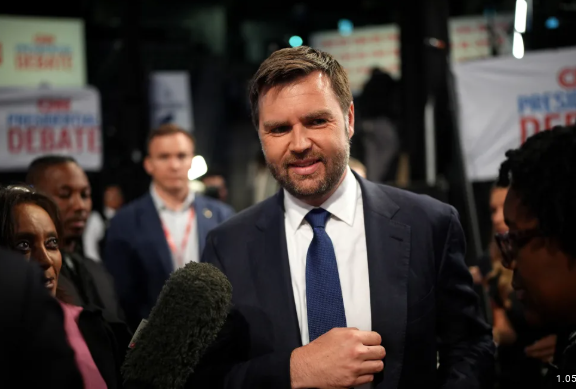
Vance’s Rise from Critic to Trump’s Vice-Presidential Pick Sparks Debate on Party Unity and Strategy
Donald Trump has selected James David Vance, the 39-year-old Republican senator from Ohio, as his vice-presidential nominee, a surprising move given Vance’s past criticism of Trump. Once a vocal critic, Vance has transformed into one of Trump’s most loyal defenders, making his rise to the vice-presidential spot a significant political shift. The announcement, made on Trump’s Truth Social platform on July 15, coincided with the start of the Republican National Convention in Milwaukee.
The Path to the Vice-Presidential Nomination
Vance’s selection is seen as an attempt to energize Trump’s base, particularly in Ohio, where Vance has gained significant support among Republicans. While Vance is popular within the party’s core supporters, his conservative stances may not expand Trump’s appeal to moderates or diverse communities. Some Trump allies had hoped for a vice-presidential pick with more broad appeal, such as a woman or person of color.
A Former Critic, Now a Loyal Advocate
Vance’s journey to becoming Trump’s vice-presidential nominee is marked by a notable transformation. Before his Senate bid in 2022, Vance was a harsh critic of Trump, calling him an “idiot” and “America’s Hitler.” However, as Vance moved toward a career in politics, he became a staunch Trump supporter, defending the former president even when other Republicans hesitated. His defense of Trump’s actions surrounding the January 6 Capitol attack and his opposition to continued aid for Ukraine have aligned him with Trump’s more controversial positions.
Controversial Aspects of Vance’s Selection
Vance’s selection has not been universally praised, especially among those within Trump’s circle who had hoped for a more diverse vice-presidential candidate. Trump’s campaign struggles among women and Black voters, and some have questioned whether Vance, a white man from Ohio, will be able to help Trump overcome these challenges. Additionally, there are concerns about the potential loss of Vance from the Senate, where Republicans are fighting for control of the upper chamber.
Vance’s rise from a troubled childhood to a prominent political figure is notable, with his memoir, Hillbilly Elegy, playing a key role in shaping his public persona. Despite his conservative roots, his selection highlights the ongoing tension within the Republican Party between traditional conservative values and Trump’s more populist, nationalist agenda.
Trump’s Strategy Moving Forward
Trump’s decision to choose Vance may have been influenced by the growing divide within the Republican Party over foreign policy, trade, and economic issues. Vance’s support for non-interventionism and his embrace of protectionist trade policies align with Trump’s “America First” rhetoric. However, his selection risks alienating some factions within the party, particularly those who value traditional foreign policy and free-market principles.
Vance’s personal story, which resonates with many Trump supporters, and his fiery social media presence may help galvanize the base, but whether he can broaden Trump’s appeal remains uncertain. As Trump’s campaign faces challenges in securing support from women and Black voters, the true impact of Vance’s selection on the November election remains to be seen.