False Claims about HMPV Virus Ignite Panic and Misinformation Across Asia
A wave of misinformation about a flu-like virus called HMPV is driving a surge in anti-China sentiment across Asia and fuelling baseless fears of new lockdowns, despite experts dismissing any link to the Covid-19 pandemic. The misinformation, which has spread widely on social media, began after a rise in human metapneumovirus cases in China, with many posts claiming that the virus was causing fatalities and that a national emergency had been declared.
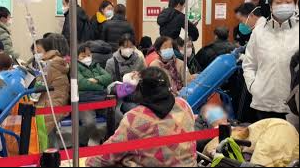
AFP’s fact-checkers have debunked numerous claims that falsely linked the virus to catastrophic outcomes, with some posts even recycling footage from China’s harsh Covid-19 lockdowns. The videos, showing crowded hospitals and medical staff in hazmat suits, misrepresented the current situation, stoking fears without basis. These false claims have gained traction, drawing tens of thousands of views.
Experts have strongly countered these narratives, with the World Health Organization (WHO) stating that the HMPV outbreak in China is well within the expected range for the season. According to Philip Mai, co-director of the Social Media Lab at Toronto Metropolitan University, some social media users are deliberately spreading panic. He noted a rise in anti-Chinese rhetoric, with individuals unfairly attributing the HMPV outbreak to the entire Chinese community.
Among the most misleading posts was a video claiming that Chinese authorities had begun isolating citizens to contain the virus. In reality, this video depicted an unrelated altercation from 2022 in Shanghai, not a current event. Other false claims included the idea that HMPV and Covid-19 had “cross-mutated” into a more dangerous disease. However, virologists have confirmed that these two viruses belong to different families and cannot merge in this way.
The spread of disinformation has been exacerbated by sensationalist headlines from some mainstream media outlets, which have described HMPV as a “mystery illness” overwhelming China’s healthcare system. In truth, HMPV is a well-known pathogen that typically causes mild upper respiratory infections.
Dr Katrine Wallace, an epidemiologist at the University of Illinois Chicago, called this disinformation an example of “monetising panic,” warning that such narratives could distort public understanding and hinder the response to future health crises. “The truth is, HMPV is not a mystery illness,” she said.
The disinformation has also contributed to a spike in anti-China commentary across Southeast Asia. In one example, a Facebook user suggested that Chinese people should be banned from entering the Philippines, while another TikTok video spread a report claiming “China has done it again,” referring to the HMPV outbreak.
Isaac Stone Fish, CEO of Strategy Risks, a business intelligence firm focused on China, explained that the psychological trauma caused by the Covid-19 pandemic and the stringent lockdown measures has made people particularly anxious about the possibility of another pandemic originating from China. While he acknowledged the importance of scepticism regarding China’s public health data, he cautioned against assuming that the Chinese government was covering up another pandemic or insulting Chinese people.
Much of the early disinformation about HMPV originated from social media accounts with an Indian focus, then spread to audiences in Africa, Indonesia, and Japan. Many of these posts paired the false claims about HMPV with videos of people eating unusual foods, further fueling suspicion about China. Other content sensationalised routine health messages from Chinese health authorities by adding spooky music and using old footage to create a sense of urgency.
The misinformation has circulated widely, especially on platforms like X (formerly Twitter), where millions of users have encountered posts without any fact-checking tools to debunk the falsehoods. Philip Mai expressed concern that this wave of fearmongering would make it more difficult for public health officials to warn the public about future pandemics. “All this misinformation now will make it harder to get the truth across when we really need to,” he said.