Sophisticated fraud tactics take advantage of popular travel platforms, causing significant losses for victims
Scam Alert: Booking.com Users Losing Money to Sophisticated Fraudsters
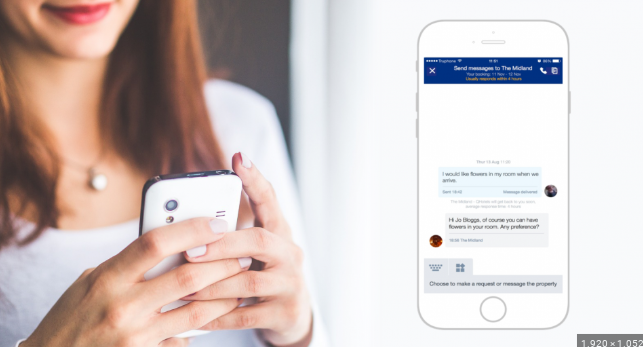
In a worrying trend, scammers have been using the in-app chat function of popular online travel portal Booking.com to trick users into providing sensitive personal and banking information.
The latest scam wave has seen at least 30 people lose a total of $41,000 since September 2024. These victims were duped into clicking on fake website links sent via Booking.com’s official messaging system. The criminals often ask victims for credit card numbers and one-time passwords to confirm hotel reservations.
This type of phishing scam follows a similar pattern to previous fraudulent activities. In 2023, five reported cases were linked to hotel bookings made through Booking.com, resulting in at least $8,800 in losses. However, the recent scams are more sophisticated, with scammers exploiting the in-app messaging system, making it harder for users to verify the authenticity of the messages.
The scammers’ tactics have evolved over time. In earlier cases, fraudsters posed as hotel representatives on WhatsApp. Now, they have found ways to compromise hotel accounts or use man-in-the-middle attacks, intercepting communications and altering information.
According to Ian Lim, Field Chief Security Officer at Palo Alto Networks, there are several ways scammers could have gained access to the chat function: account takeovers, man-in-the-middle attacks, or hacking into third-party accommodation partners.
Booking.com acknowledged the rise in scams and reassured customers that it has systems in place to monitor suspicious activities. The company’s security teams work 24/7 to detect and block fraudulent activity. Despite this, Ian Lim warned consumers to remain vigilant, particularly when dealing with urgent messages that demand immediate action.
To protect themselves, both Booking.com and Traveloka advise customers not to share credit card details through text or email and to verify payments through the platform’s official pages. If in doubt, users are urged to contact customer support directly for confirmation.
With the frequency of scams increasing and fraudsters constantly changing tactics, it is essential for travel platform users to exercise caution when booking or communicating via online channels.