New technology and screening tools provide seniors with a more accessible way to assess their fall risk and improve their mobility.
SINGAPORE – Falls are a significant concern for the elderly, often leading to serious injuries. Madam Tan Yok So, 78, knows this all too well. After experiencing multiple falls in the past, including one at home in 2016 and another on a bus, she developed a fear of falling, which made her hesitant to leave home.
However, new advancements are helping seniors like her better manage their fall risk. Researchers from Duke-NUS Medical School and ETH Zurich have developed a fall-risk screening process that is more accessible and affordable for seniors. This process is available at Active Ageing Centres (AACs) across Singapore, eliminating the need for seniors to visit clinics for assessment.
A More Accessible Screening Process
The new screening method combines physical mobility data from wearable sensors with psychosocial factors to assess seniors’ fall risk. During a five-minute walk test, seniors wear sensors that capture data such as step length, gait, and stride. This information helps researchers determine the stability of an individual’s walking patterns and detect potential leg weakness.
In addition to the walk test, seniors fill out a questionnaire that includes information on their age, physical activity levels, fall history, and fear of falling. This data is then analyzed using an algorithm to calculate a fall-risk score.
What makes this new process unique is that it can be conducted by trained staff or volunteers at community-based AACs. Unlike traditional fall-risk assessments, which often require costly consultations with clinicians, this screening is fast, cost-effective, and easy to access.
Preventing Falls with Technology
The fall-risk screening is part of the Safe-Tech trial, a larger initiative aimed at helping seniors reduce their fall risk. The trial began in March and is being progressively rolled out to 10 AACs across Singapore, as part of the Future Health Technologies program.
About 400 seniors are participating in the trial, which lasts 3½ years and examines various factors contributing to fall risk in people aged 60 and above. Researchers have already gathered data from 1,200 seniors, revealing that 40-50% of participants are at high risk for falls.
According to Dr. Navrag Singh, senior scientist and lead principal investigator of the program, the collected data helps track changes in gait patterns and overall fall risk. This allows for a more personalized approach to managing seniors’ health.
The Benefits of Early Intervention
The new screening process has proven beneficial for participants like Madam Tan, who have experienced fear or mobility issues after previous falls. After completing the Safe-Tech trial, she reported significant improvements in strength, balance, and overall confidence. She is now able to independently manage short flights of stairs and even resumed taking the bus, accompanied by her children.
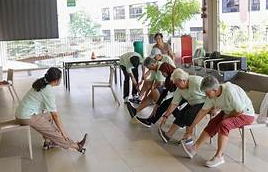
As part of the trial, seniors are divided into two groups: one participates in a physiotherapy-led group program aimed at improving strength and balance, while the other follows a fall prevention guidebook. The trial is designed to assess the effectiveness of various interventions in reducing fall risk among seniors.
Expanding the Impact
The Target Study, another initiative conducted by the same research team, aims to understand the broader factors that contribute to fall risk. It focuses on identifying various risks like chronic conditions, cognitive impairments, and environmental factors. This research is crucial in developing tailored fall prevention strategies for the elderly.
The Safe-Tech trial is expected to be completed by May 2026, with researchers evaluating its feasibility and potential for expansion across additional AACs and rehabilitation centers in Singapore. The hope is that by leveraging technology and accessible community-based programs, seniors can significantly reduce their fall risk and live more independent, confident lives.