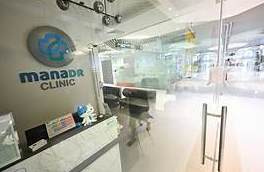
Health Minister Ong Ye Kung affirms the effectiveness of current regulatory frameworks after MaNaDr Clinic lapses.
Effective Enforcement Over New Regulations
Singapore’s telemedicine standards remain robust, and there is no need for immediate review despite the recent lapses at MaNaDr Clinic, said Health Minister Ong Ye Kung in Parliament on November 11. He highlighted that existing regulations under the Healthcare Services Act (HCSA) are sufficient to address issues and ensure corrective measures are promptly taken.
“Regulatory frameworks can’t eliminate all offences but ensure errant practices are identified and rectified swiftly,” Mr. Ong stated, addressing questions from Members of Parliament.
MaNaDr Clinic Case Sparks Questions
The Ministry of Health is revoking MaNaDr Clinic’s license after doctors issued multiple medical certificates (MCs) within short time frames, performed consultations lasting less than a minute, and kept minimal patient records. Complaints from patients and employers revealed misuse, including staff applying for MCs while overseas.
Telemedicine Safeguards in Place
Mr. Ong explained that telemedicine providers are licensed under the HCSA and must comply with strict guidelines, including:
Conducting real-time, interactive audiovisual consultations.
Ensuring consultations occur in private settings.
Adhering to professional standards as outlined in the Singapore Medical Council’s Ethical Code and Ethical Guidelines (ECEG).
Practitioners must gather sufficient information, conduct proper assessments, and justify prescriptions or MCs on valid medical grounds. Regular audits by the Ministry of Health help enforce these standards.
Striking a Balance Between Innovation and Oversight
Mr. Ong stressed the importance of balancing enforcement with the opportunities telemedicine offers, particularly in a post-pandemic world and an aging population. “New technology and business models present opportunities, but they also open doors for misuse. Strong enforcement ensures we can fully leverage these advancements,” he said.
The HCSA, enacted in 2020 to replace the Private Hospitals and Medical Clinics Act, reflects the changing landscape of healthcare delivery and was fully implemented by the end of 2023.
The MaNaDr incident serves as a reminder of the importance of maintaining ethical practices while embracing innovation. Singapore’s focus will remain on enforcing current standards rather than introducing overly restrictive measures that might stifle progress.